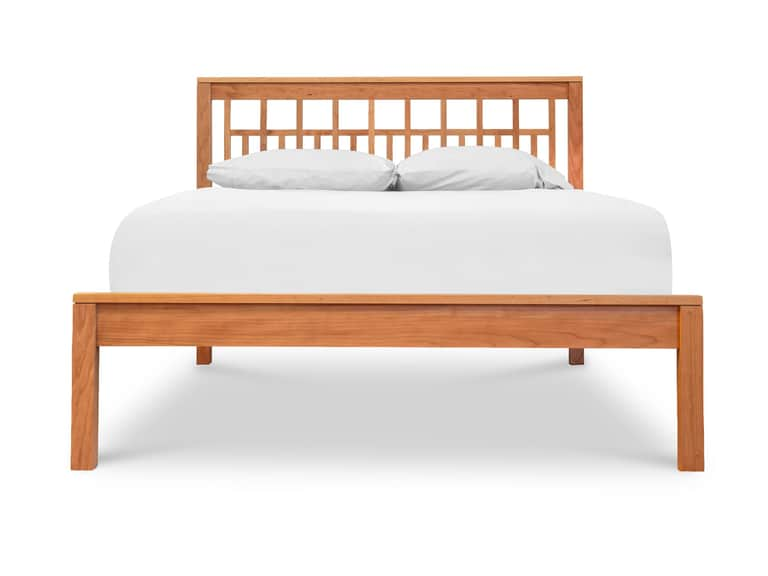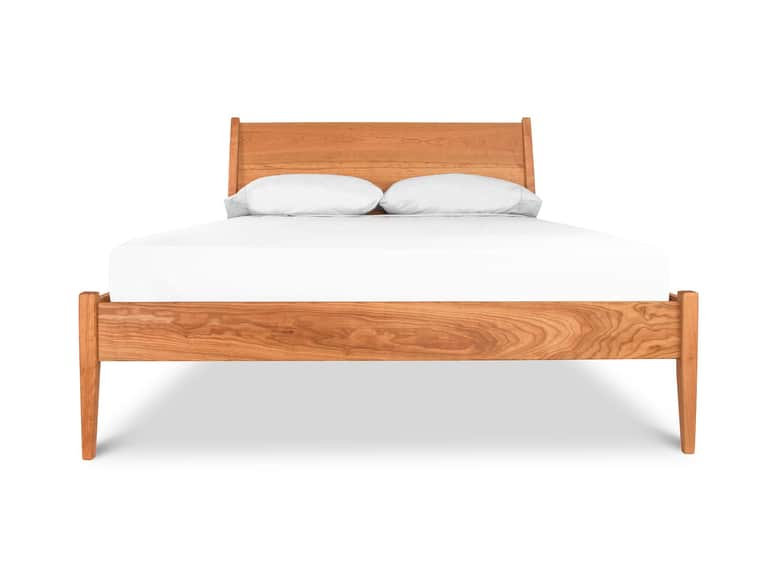
Andover Modern Incline Bed
Sleep smarter with solid wood ease: a 10% inclined headboard for ergonomic support, no box spring needed, and a durable platform design that lasts for generations with timeless, minimal style.
A thoughtful exploration of organic mattresses, their materials, certifications, and how to compare comfort, durability, and environmental impact without sacrificing restful sleep. In the spirit of long-form storytelling, we trace the lineage of materials, examine brand philosophies from different eras, and illuminate practical steps for readers navigating a landscape that intersects science, design, and daily life.
In an era when a good night’s sleep is increasingly recognized as essential to health, the mattress becomes more than a surface of rest—it is a material system that touches our bodies, our climate, and our conscience. Organic mattresses are not merely a trend; they represent a philosophy of building without compromising the ecosystems we inhabit. Certification serves as a compass in a field where terms can blur—as natural latex, organic cotton, coconut coir, and plant-based foams all compete for attention. Certifications like Global Organic Textile Standard (GOTS) and CertiPUR-US (for foam) offer signals about what is inside the mattress and how that content was produced. This guide invites readers to read labels with a careful eye, compare comfort against quantifiable metrics, and weigh environmental impact alongside personal sleep quality.
To set the stage, we will explore three core materials—natural latex, organic cotton, and coconut coir—as well as the role of certifications in shaping consumer trust. We will also present a practical framework for evaluating comfort that transcends fashion or marketing, focusing on spine alignment, temperature regulation, and the durability of materials under real-world use.
Across centuries, three emblematic figures illuminate the conversation about materials, design, and sleep. Their perspectives, though separated by era, converge on a shared idea: comfort must be grounded in material truth and intentional craft.
Material choices drive comfort, durability, and environmental footprint. The most common organic components include:
Certifications help decode the claims manufacturers make. Key standards to recognize include:
Understanding these certifications allows readers to compare CRI (color rendering index) not for color products, but as a playful reminder to consider the “credibility rating index” of materials and assembly processes. In practice, seek a combination of organic content, clear material disclosures, and independent certifications that align with your values and sleep needs.
While this guide refrains from promoting specific purchases, it is useful to understand how leading brands articulate their approach to comfort, materials, and certification. These brands demonstrate distinct philosophies that reflect shifts across decades of design and consumer awareness:
Readers are encouraged to compare certifications, look beyond marketing language, and consider how a brand communicates its sourcing, manufacturing standards, and testing methodologies. This approach helps separate marketing claims from measurable differences in pressure relief, temperature neutrality, and longevity.
Sleep position and climate shape your mattress choice. The following framework helps you translate physiology into product features:
When reading labels, consider the following practical questions to ask retailers or consult guides:
To support readers, a concise glossary helps translate jargon into practical understanding:
In addition to textual explanations, visual aids such as mood boards, room-planning diagrams, and material pull-outs can illustrate the relationships between mattress components and the surrounding sleep environment. While this article remains text-focused, readers are encouraged to explore supplementary materials, including printable checklists and furniture coordination guides, to enhance practical decision-making.
Two illustrative pieces from a contemporary design catalog show how organic principles can manifest in furniture foundations that accompany organic mattresses:

Solid wood platform bed with an ergonomic inclined headboard, designed without a box spring for a clean, modern silhouette.
Material: Solid wood • Finish: Natural, eco-friendly oil
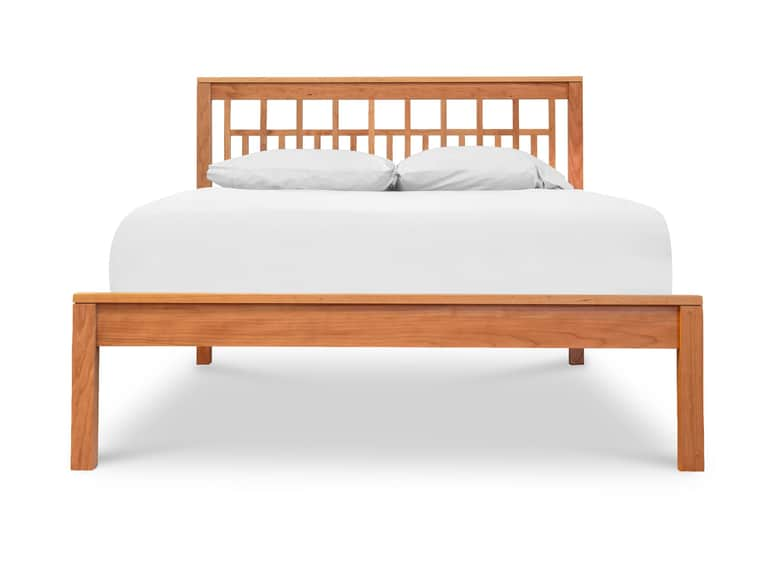
Solid hardwood construction with an eco-friendly linseed oil and wax finish; customizable with wood options to highlight natural grain.
Material: Solid hardwoods • Finish: No-VOC linseed oil and wax
Note: Images above display product designs that exemplify the harmony between organic material choices and modern aesthetics, illustrating how a well-considered bed frame can support an organic sleep ecosystem.
When selecting an organic mattress, approach the process with a clear set of criteria: material composition, certification credibility, comfort, and long-term durability. The education-driven approach of this guide is intentionally non-commercial, designed to empower readers to make informed decisions aligned with health, comfort, and environmental stewardship.
Recommended steps for readers who want a structured path include: